By Admin
Wind energy continues to expand as a central pillar of global clean power strategies. As more turbines are installed and existing fleets age, maintaining blade performance has become one of the most critical factors in keeping wind farms productive. Blade repair is no longer a niche service. It is a complex discipline that blends materials science, field logistics, and safety planning to protect long-term energy output.
Why Blade Damage Has High Stakes
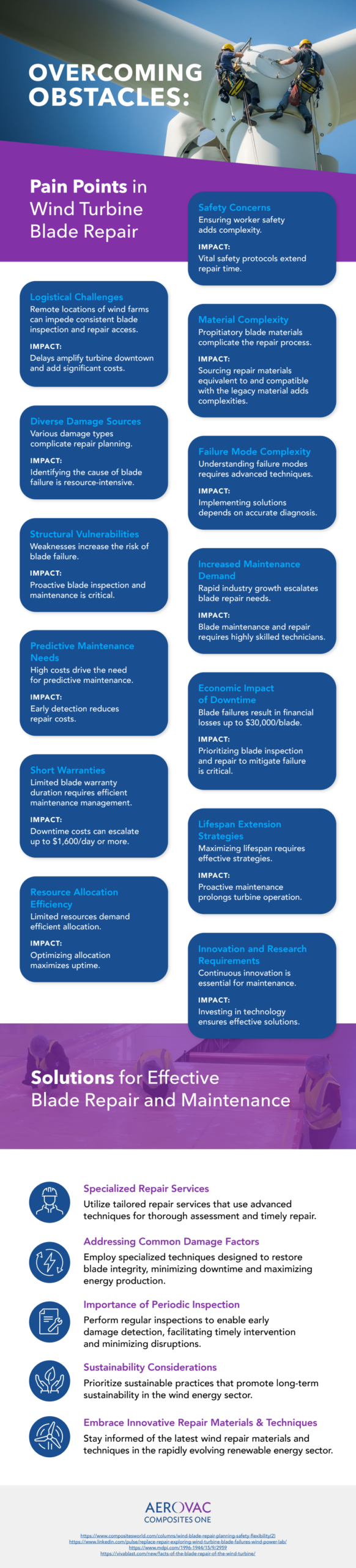
Blade deterioration carries significant financial consequences for operators. Repairing a single damaged blade can cost tens of thousands of dollars, and unexpected downtime quickly compounds losses through missed energy production. When turbines sit idle for days or weeks, revenue declines while maintenance costs rise. In a sector where reliability drives profitability, rapid and effective blade repair directly affects the bottom line.
Shorter warranty periods and rapid turbine deployment further increase pressure on maintenance teams. As newer models enter service and older units remain in operation, operators must manage a wider range of blade designs, materials, and repair requirements, often at the same site.
Understanding the Range of Blade Failures
Wind turbine blades operate under constant stress. Exposure to high winds, temperature swings, ultraviolet light, and precipitation slowly degrades blade surfaces and internal structures. Damage may appear as leading-edge erosion, surface cracking, internal delamination, or structural fatigue that is not visible from the ground.
Accurate assessment is essential, yet not always straightforward. Advanced diagnostic tools such as ultrasonic testing, thermal imaging, and three-dimensional mapping help technicians identify hidden defects early. These technologies allow teams to address issues before they threaten blade integrity or force extended shutdowns.
Composite material complexity adds another layer of difficulty. Many blades are manufactured using proprietary composite systems, requiring repair teams to precisely match materials and techniques. Successful repairs depend on both technical knowledge and hands-on experience with composite behavior under load.
Remote Locations and Operational Constraints
Many wind farms are intentionally located in areas with strong, consistent wind, which often means remote or difficult terrain. Offshore platforms, mountain ridges, and open plains can limit access and complicate transportation of personnel and equipment. Weather conditions may further restrict repair windows, especially for work performed at height.
With limited on-site resources, planning becomes critical. Crews must coordinate equipment, materials, and personnel efficiently to avoid repeat visits or prolonged outages. Skilled technicians remain in high demand, making workforce availability another constraint that operators must manage carefully.
Safety and Sustainability Moving Forward
Blade repair work presents inherent safety risks due to elevation, environmental exposure, and complex tooling. Strict safety protocols are essential, even though they increase preparation time and project duration. The industry continues to refine training standards and safety systems to protect workers while maintaining productivity.
At the same time, sustainability goals are shaping repair practices. New composite repair materials offer improved durability and longer service life with reduced environmental impact. Predictive maintenance programs are also gaining traction, using data analytics to detect early signs of wear and schedule interventions before failures occur.
Inspection technology is evolving as well. Drones and automated monitoring systems now capture detailed visual and thermal data without placing technicians at risk. These tools reduce inspection time, improve accuracy, and support data-driven maintenance planning across large turbine fleets.
The Path Ahead for Blade Maintenance
As wind energy capacity grows worldwide, blade repair capabilities must advance alongside it. Continued innovation in materials, diagnostics, and automation will be essential to extending blade life and controlling operational costs. Collaboration between manufacturers, service providers, and operators will drive progress in both performance and sustainability.
The challenge is clear. Wind turbine blades must last longer, perform better, and be repaired more efficiently. Addressing this challenge ensures that renewable energy systems remain reliable, cost-effective, and capable of supporting a cleaner energy future.