By Admin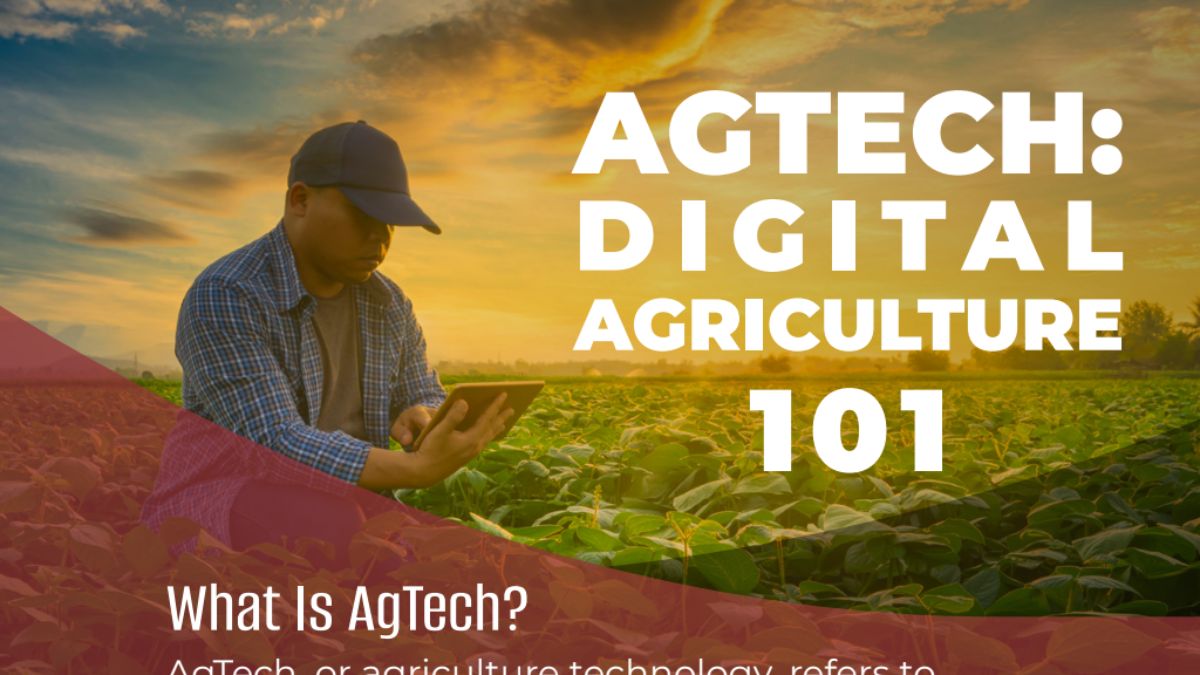
Agriculture is at a turning point. As global food demand continues to rise and environmental pressures grow more intense, farmers are being asked to increase production while reducing resource use. Feeding a world population approaching 9 billion will require smarter, more efficient farming practices. Digital agriculture is emerging as a key solution, combining advanced technology with established farming knowledge to reduce waste, protect natural resources, and support healthier ecosystems.
Often referred to as AgTech, these innovations are not designed to replace farmers. Instead, they equip them with clearer insights and more precise tools, helping them make informed decisions at every stage of the growing process while minimizing environmental impact.
Why Agriculture Must Adapt
Conventional farming remains one of the most resource-intensive industries worldwide. Heavy water use, soil degradation, chemical inputs, and fuel consumption all place strain on the environment. As climate change brings more frequent weather disruptions and unpredictable growing conditions, the urgency for sustainable approaches continues to increase.
Food production will need to expand significantly in the coming decades. Meeting this demand without clearing additional land or increasing ecological harm requires a shift toward technologies that improve efficiency, reduce waste, and preserve soil and water quality over the long term.
Technology Driving Sustainable Practices
Digital agriculture relies on a range of tools that allow farmers to manage resources with greater precision. Some of the most impactful technologies include:
- IoT soil sensors that measure moisture, temperature, and nutrient levels, enabling more accurate irrigation and fertilizer use
• Autonomous equipment that plants, treats, and harvests crops with precision, lowering fuel consumption and unnecessary inputs
• Drone and satellite imagery that provides early insight into crop stress, pests, or disease, reducing the need for widespread chemical treatments
• AI-powered analytics that integrate weather data, soil conditions, and yield history to guide planting schedules, irrigation timing, and harvest planning
• Blockchain platforms that enhance transparency across the food supply chain and support responsible sourcing from farm to consumer
Environmental Benefits Beyond the Farm
The impact of digital agriculture reaches far beyond individual fields. Reduced chemical use helps protect waterways and aquatic ecosystems. Smarter irrigation conserves groundwater and safeguards sensitive habitats. More efficient machinery lowers emissions tied to fuel use. Improved yields on existing farmland can also reduce pressure to clear forests or convert undeveloped land.
By making farming more adaptable and data-driven, these tools support food security while strengthening environmental stewardship. They also help farmers manage rising costs and navigate increasingly unpredictable conditions.
Moving Toward Thoughtful Innovation
Those who value sustainability can help drive this progress forward. Supporting farms that use technology-enabled practices, choosing products from verified sustainable supply chains, and advocating for policies that encourage agricultural innovation all contribute to a more resilient food system.
Digital agriculture is not a cure-all, but it offers a practical and scalable path toward farming that feeds communities while respecting environmental limits. By combining modern technology with responsible land management, agriculture can move toward a future where productivity and sustainability advance together.
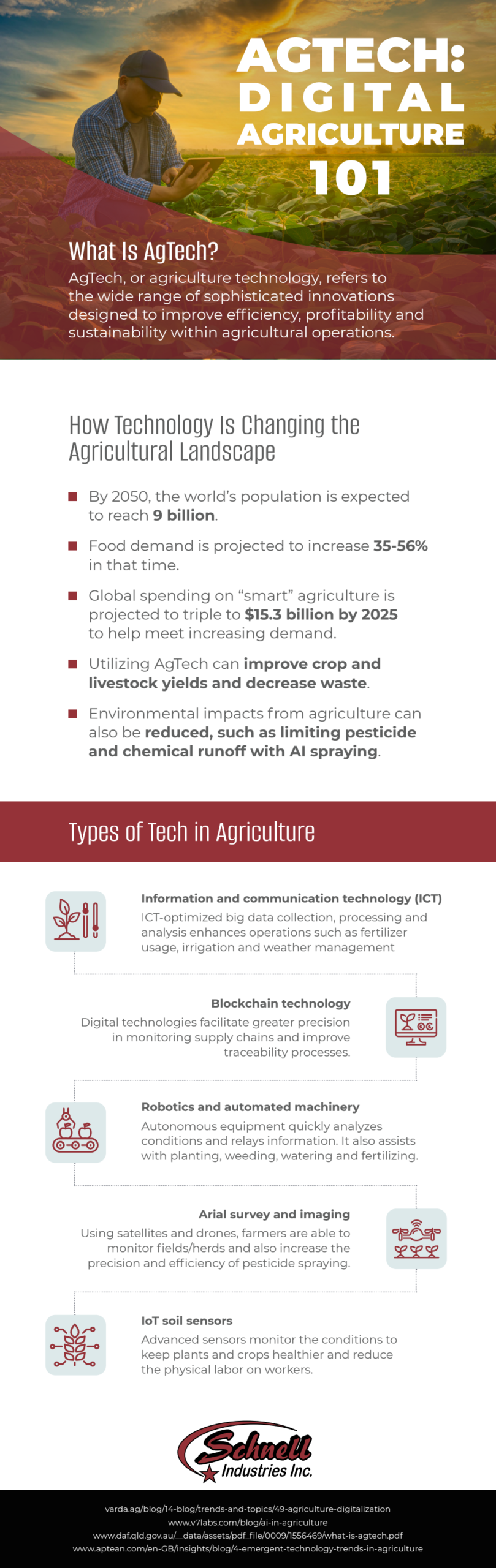
For more on this, check out the infographic below from Schnell Industries, a conveyor systems manufacturer.